I’ve been in the brick-making industry for over a decade and have seen too many people jump into it blindly—some recoup their investment in half a year, while others start losing money as soon as they set up their factory.
Starting a concrete block manufacturing business is not only about buying a machine, but when newcomers fail, it’s usually not because of the equipment; it’s because of poor initial planning.
Many customers who want to start block manufacturing business have the same questions:
- Which block machine is suitable for my market?
- How much production can I get every day?
- Should I choose a manual, semi-automatic, or fully automatic machine?
- What equipment do I need besides the block machine?
Choosing the right equipment at the beginning can save a lot of unnecessary cost and problems later. Furein Block has been manufacturing block making machines since 2015. We provide different solutions according to customers' production requirements, including manual block machines, semi automatic block machines, and fully automatic block production lines.
This guide will explain the basic knowledge you need before starting a block manufacturing business.
What Is a Concrete Block Making Machine?
Simply put, a concrete block making machine is specialized equipment that uses raw materials such as cement, stone powder, sand and gravel, and fly ash to compress the mixture into various types of concrete blocks through vibration and pressure, without firing.
Most of the hollow blocks, perforated bricks, curbstones, permeable pavers, and standard bricks available on the market are produced by this block machine.
Many people refer to it as a brick making machine, block maker or brick press. It is completely different from a brick kiln; it does not require firing. The wet bricks produced by the machine can be used directly for construction or paving after curing naturally or being left to set in a curing shed.
The concrete block making process: The properly proportioned concrete mixture is fed into a mold, where vibration combined with hydraulic or mechanical pressure compacts the material to form brick blanks with a fixed shape and strength. These are then demolded to produce green blocks. After curing, the bricks reach their service strength.
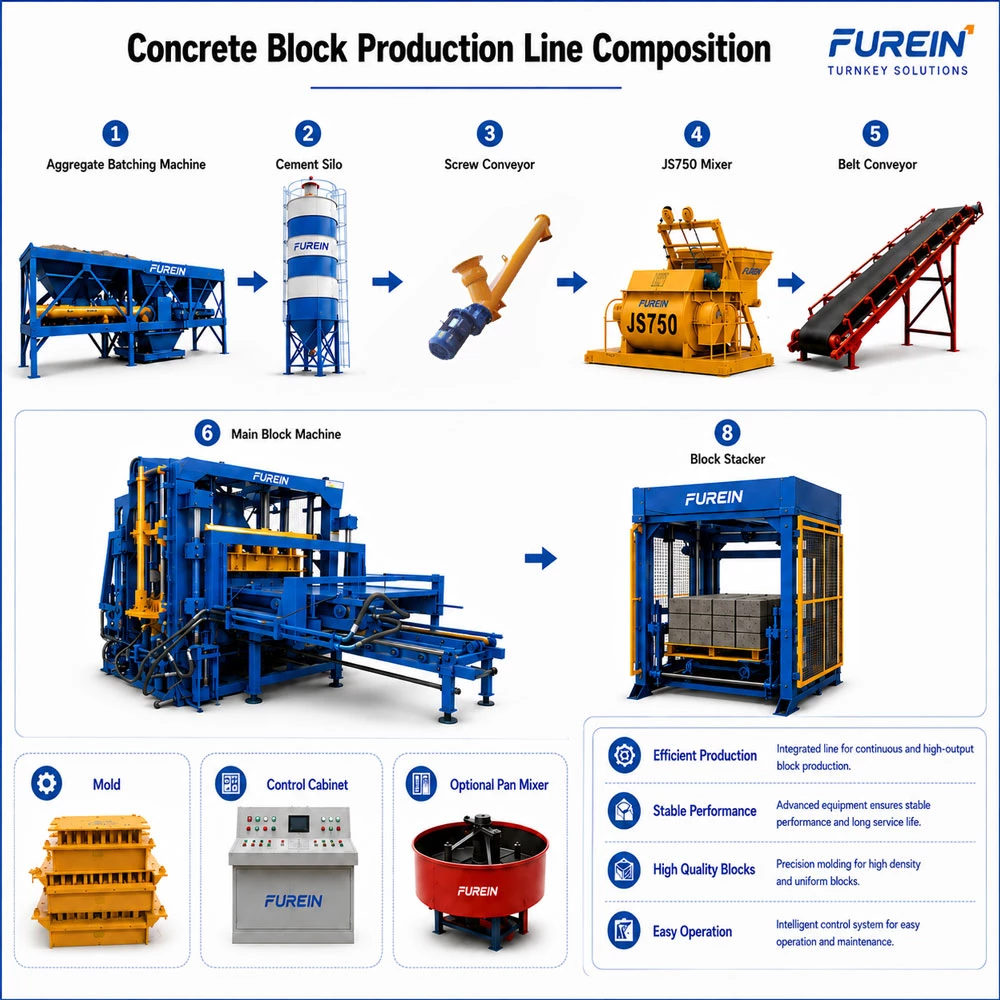
The working process of concrete block production line
Different Types of Concrete Block Making Machines & How to Choose
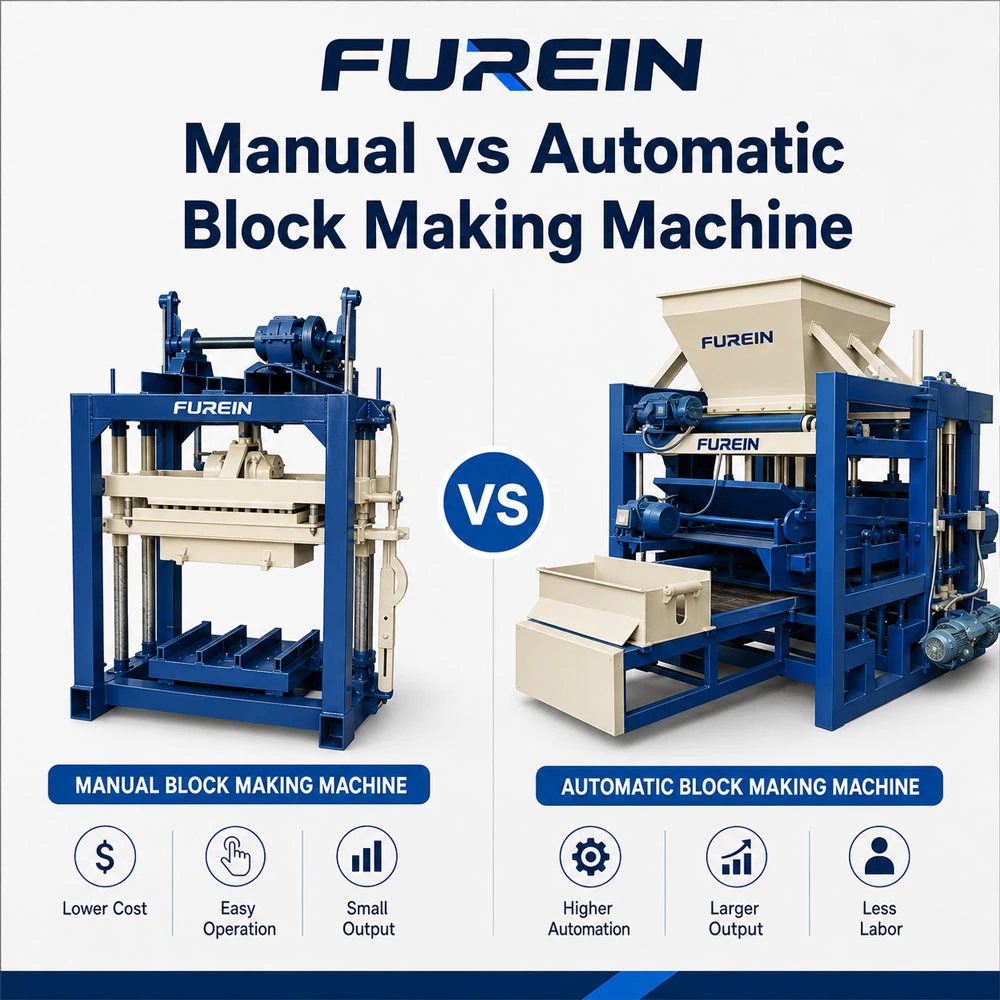
Before purchasing a machine, customers usually need to decide between three types:
- Manual block making machine
- Semi automatic block making machine
- Fully automatic block making machine
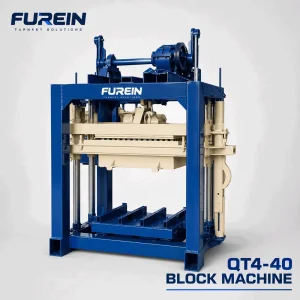
Manual Block Making Machine
Manual block machines are usually suitable for customers who are starting a small block business with limited investment.
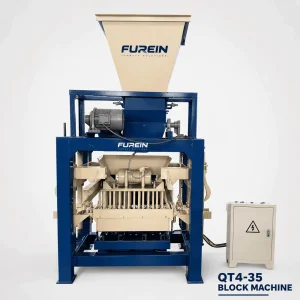
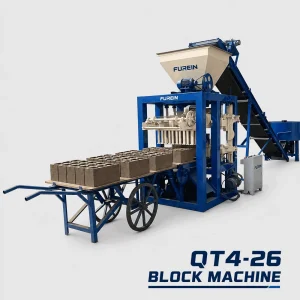
Semi Automatic Block Making Machine
Semi automatic block making machines are a good choice for customers who want higher production but do not need a fully automatic system. However, operators are still needed for pallet handling and some production steps.
For customers who are not sure whether to choose semi automatic block maker, you can read our guide:
Semi Automatic Block Making Machine Selection Guide
It explains production capacity, investment cost, and suitable applications in detail.
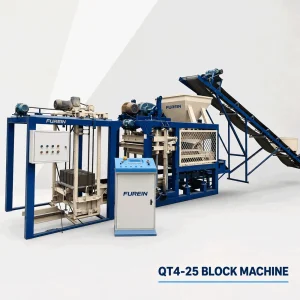
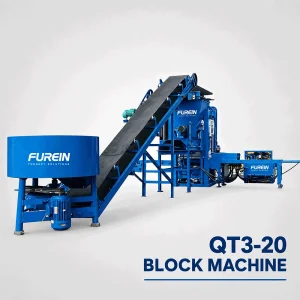
Fully Automatic Block Making Machine
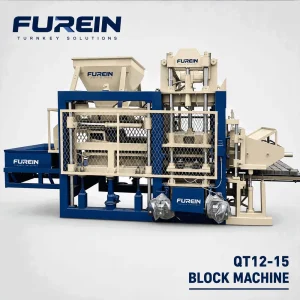
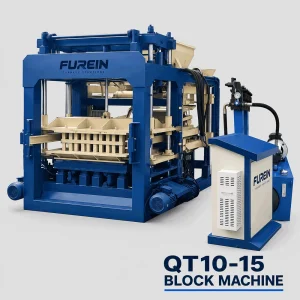
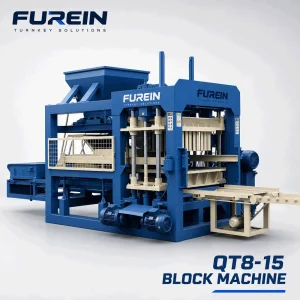
Automatic block making machines are designed for customers who need larger production capacity and higher automation.
Before choosing an automatic block machine, we recommend customers check our:
Automatic Block Making Machine Selection Guide
to understand machine capacity, factory requirements, and investment planning.
What Equipment Is Needed to Start a Block Factory?
How Much Does a Concrete Block Making Machine Cost?
A complete block production factory usually includes several parts.
1. Concrete Mixer
The mixer prepares a uniform concrete mixture.
2. Block Making Machine
This is the main equipment.
3. Molds
Different molds produce different products. You can start with common block sizes and add new molds after understanding local demand.
4. Pallets
Pallets are used to support fresh blocks after molding.
5. Curing Area
Fresh blocks need enough curing time before use.
Keep reading: Complete Concrete Block Production Line Configuration Guide
How much does a concrete block making machine cost, the answer depends mainly on your expected production capacity. Based on our experience, we usually divide block factory projects into three levels:
1. Small Block Factory — Suitable for Startup Business
Recommended for customers who want to test the local market or start with limited investment. A small concrete block machine total cost around USD 10,000.
2. Medium Block Factory — Suitable for Stable Local Sales
For customers who already have regular orders or want to supply construction projects, we usually recommend semi automatic concrete block making machines, and it costs about 10,000-20,000 USD.
3. Large Automatic Block Factory — For Industrial & Professional Production
For customers supplying large construction companies or government projects, a fully automatic production line is usually a better choice, and it costs above 50,000 USD.
Common Mistakes New Investors Make When Starting a Block Manufacturing Business
Over the years, we have communicated with many customers who wanted to start a block manufacturing business. Most problems do not come from the block machine itself. Many failures happen because the factory plan was not complete before purchasing equipment.
Here are some common mistakes we have seen and our suggestions:
1. Only Comparing Machine Price, Ignoring the Complete
A concrete block machine alone cannot produce finished blocks. A complete block production process also requires: concrete mixer, molds, pallets, raw material storage, electrical installation, workers, etc.
The machine price looks cheaper at the beginning, but the total investment becomes higher because of later modifications.
Furein Block suggestion: Before purchasing, calculate the complete production system, not only the machine price.
2. Choosing a Large Block Machine Before Understanding Your Market
For example, a QT10-15 automatic block machine can produce 125,000 blocks every day, but if your local market can only sell a few thousand blocks per day:
The machine will not run at full capacity and equipment investment recovery becomes slower.
We have seen customers choose large equipment because they wanted future expansion, but the machine stayed idle most of the time.
Furein Block suggestion: Start from your real sales demand. If your market is still developing, a medium-capacity machine may be a safer choice. You can expand block production after sales become stable.
3. Buying Too Few Pallets and Limiting Production Capacity
Pallets are often ignored by new investors. However, pallets are an important part of block production. After molding, fresh blocks need to stay on pallets for transportation and curing.
If the number of pallets is insufficient, the block production line needs to stop waiting.
Furein usually recommends customers calculate pallet quantity together with machine configuration.
4. Not Considering After-Sales Support Before Buying.
A block machine is long-term production equipment. Before ordering, customers should confirm:
- Does the supplier provide technical support?
- Are spare parts available?
- Can the supplier understand your local production conditions?
A reliable concrete block making machine supplier is not only selling a machine, but helping customers keep production running.
Get a concrete block making machine solution now
Before purchasing, it is important to choose a supplier who understands your requirements and can provide a suitable solution.
Furein Block will help you choose the right block making machine for your business. Contact us today and tell us your block size, production requirement, and target market. We will recommend a suitable concrete block making machine solution for you.