
Fly Ash Brick Making Solution
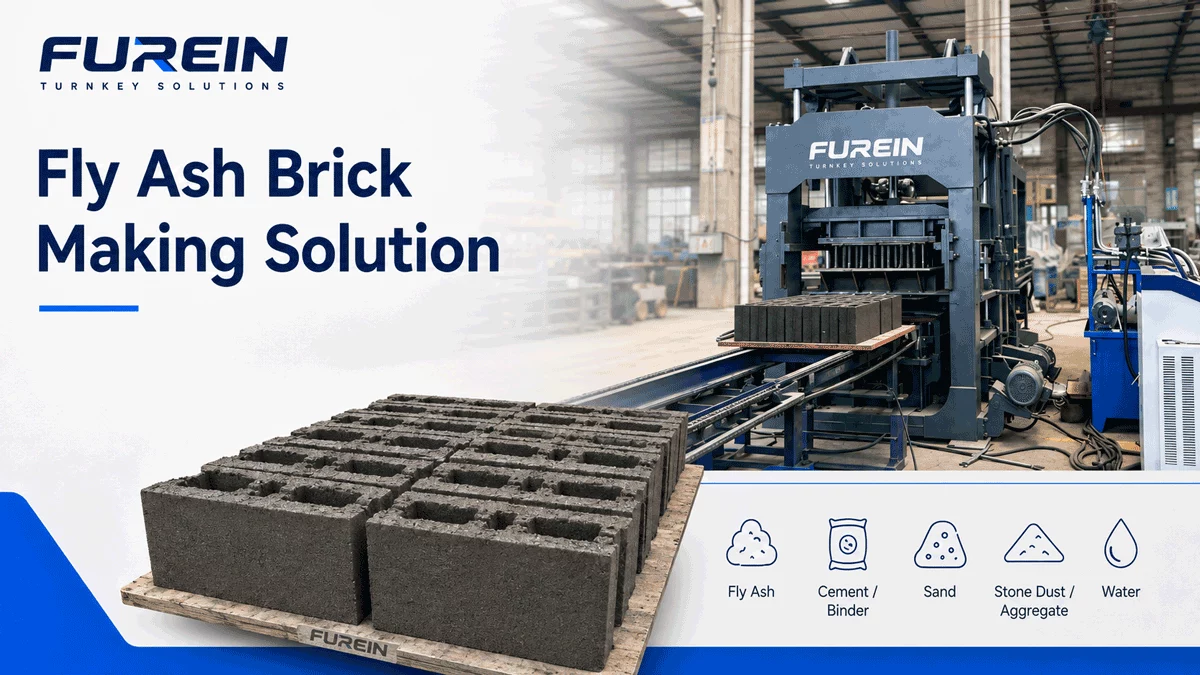
If fly ash is available in your area and you want to turn it into bricks, the answer is yes: FUREIN can configure a fly ash brick making machine and production line for fly ash-based cement bricks and blocks.
The brick machine does not normally use fly ash alone. You may also need cement or another confirmed binder, sand, stone dust, aggregate and water. Tell us what fly ash you have, which brick you want to produce and how many you expect to sell each day. We will then check the material route, machine, mold, mixer and automation level for your project.
What Bricks Can You Make with Fly Ash?
Fly ash can be used to produce the following five types of bricks/blocks and the raw materials for fly ash bricks as:
1. Autoclaved Fly Ash Brick
Raw materials: Fly ash + lime + sand/stone powder
The bricks are pressed and then cured in an autoclave.
2. Non-Autoclaved Fly Ash Brick
Raw materials: Fly ash + cement/lime + sand/stone powder
The bricks are formed by a brick making machine and then cured naturally or by water curing.
3. Fly Ash AAC Block (Autoclaved Aerated Concrete Block)
Raw materials: Fly ash + lime + cement + gypsum + aluminum powder
The slurry is poured into molds, expanded by foaming, cut into blocks, and then cured in an autoclave.
4. Fly Ash Concrete Brick / Hollow Block / Paving Block
Raw materials: Cement + fly ash + sand + stone/aggregate
In this type of product, fly ash is mainly used as a supplementary material to replace part of the cement or fine aggregate.
5. Fired Fly Ash Brick
Raw materials: Clay + fly ash
The bricks are formed and then fired in a kiln.
Fly Ash Products Suitable for FUREIN Brick Making Machines
The common fly ash brick mix ratio as follows:
Cement Fly Ash Brick (The Most Common Type)
- Fly ash: 40–50%
- Sand: 30–40%
- Stone powder: 10–20%
- Cement: 8–15%
Fly Ash Concrete Block
- Fly ash: 20–40%
- Cement: 8–15%
- Sand: 30–50%
- Stone aggregate: 10–30%
Lime Fly Ash Brick
- Fly ash: 60–70%
- Sand: 15–25%
- Lime: 8–15%
- Gypsum: 2–5%
Fly Ash Paving Block
- Fly ash: 30–50%
- Sand: 25–40%
- Stone powder: 10–20%
- Cement: 8–15%
FUREIN brick making machines are designed for producing non-burnt fly ash bricks and blocks through high-pressure vibration compaction. These products do not require a kiln or autoclave. The final strength is achieved through proper material proportioning, high-pressure forming, and sufficient curing time.
How Does FUREIN Configure a Fly Ash Brick Production Line?
FUREIN block machines can make fly ash bricks because the machine does not identify the material by name. It feeds a prepared mixture into a steel mold and compacts it through the confirmed vibration, hydraulic pressing or combined forming method of the selected model. As long as your mix can be fed, compacted, demolded and cured correctly, it can be matched with a suitable FUREIN machine and mold.
The important point is that we configure the complete fly ash brick production line, not only the main machine: Fly ash storage → batching and weighing → mixing → material feeding → brick forming → fresh-brick transfer → curing → stacking.
A simple fly ash brick production line for a new or smaller project
If your expected sales are still limited, you may start with bagged materials, a mixer, a suitable fly ash brick machine and manual fresh-brick transfer. This keeps the initial equipment scope under control. The trade-off is that workers need to measure and move more material, so daily consistency depends more on how they operate the line.
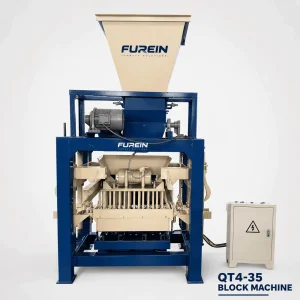
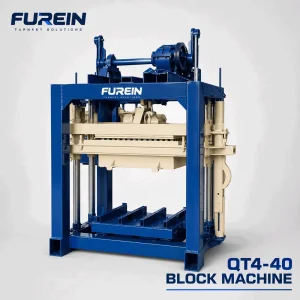
A semi-automatic fly ash brick production line for growing production
If manual feeding cannot keep pace, we can add an aggregate batcher, powder weighing, conveyors or pallet-transfer equipment. You do not have to automate every stage at once. We first look at which part of your current plan uses the most labor or causes the largest production delay.
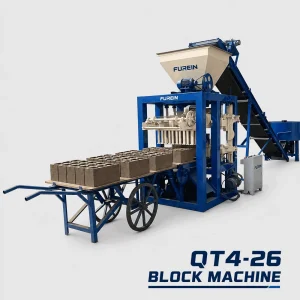
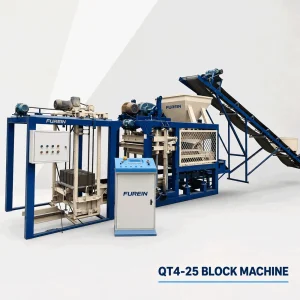
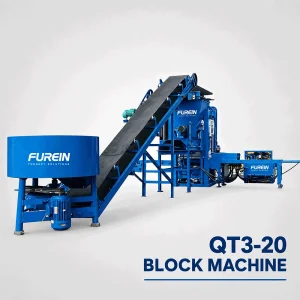
An automatic fly ash brick production line
For a larger fly ash brick plant, the line may include bulk fly ash and cement storage, automatic weighing, aggregate batching, mixing, conveying, an automatic fly ash brick making machine and pallet-handling equipment. This reduces repeated manual work and makes batching easier to control, but it also needs more investment, space, power and maintenance.
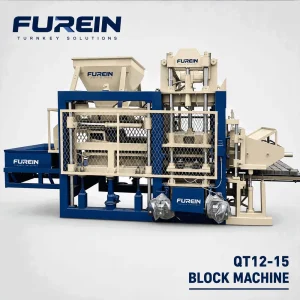
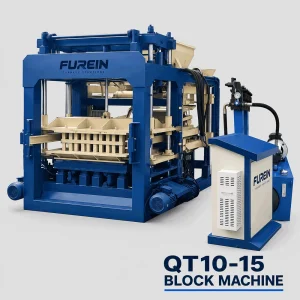
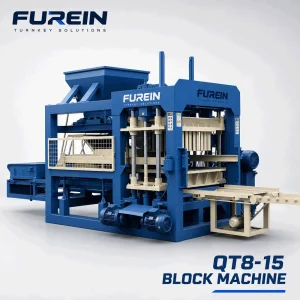
How to choose a fly ash brick making machine?
If you are not sure how to choose the right fly ash brick making machine, please continue reading the following 3 articles:
- Semi Automatic Block Production Line Selection Guide: QT3-20, QT4-25 and QT4-26
- Fully Automatic Hydraulic Block Production Line Selection Guide
- Manual vs Automatic Block Making Machine: How to Choose
They will help you understand how to select the most suitable fly ash block making machine for your project.
Common Fly Ash Brick Sizes and Frequently Asked Questions.
Your local market decides the brick size. Send us a sample or drawing rather than only saying “standard brick.” We need the length, width, height, frog or cavity, wall thickness and required strength. Furein team then checks whether the size fits the selected machine, how many bricks fit in one mold and what output can be calculated.
Can FUREIN block machines make fly ash bricks?
Yes. FUREIN can configure a block machine and mold for non-fired fly ash cement bricks and blocks. Send your fly ash information, other raw materials and brick drawing so that we can confirm the mix route and suitable machine.
What raw materials are needed to make fly ash bricks?
You normally need fly ash, a confirmed binder such as cement, suitable aggregate and water. Some processes may use lime, gypsum or an admixture. The final material list depends on your fly ash, brick standard and curing method.
What is the correct fly ash brick mix ratio?
There is no ratio that works for every fly ash source. Send your material report and available local materials. The starting formula should be checked through trial production, followed by finished-brick testing.
Can a fly ash brick making machine produce the brick size used in my country?
In most cases, a suitable mold can be designed after the machine and product are confirmed. Send the exact dimensions, frog or cavity and required strength. We will check the mold layout, number of bricks per cycle and machine limits before giving you an output figure
How many fly ash bricks can the machine produce per day?
Fly ash brick machine capacity depends on the brick size, number of bricks in the mold, confirmed cycle, working hours and shifts. Mixer supply, material feeding, fresh-brick transfer and curing space also affect actual daily production.
What information is needed for a fly ash brick making machine price and quotation?
Please provide the required fly ash brick size, specifications, shape, daily production capacity, and automation level requirements.
Based on your local voltage standards and the specific requirements of your project, we will recommend the most suitable solution and prepare a complete fly ash brick making plant quotation for you.
All our block machines are supplied directly from the factory, offering competitive fly ash brick making machine prices and reliable quality.
Send Your Fly Ash and Brick Details Now
Tell us what material you have and what brick you want to make. Furein Team will help you check the process, machine, mold and configuration for fly ash brick making production line.